STRATEGIC FORESIGHT 2047: ARCHITECTING a UNIFIED DIGITAL ECONOMY
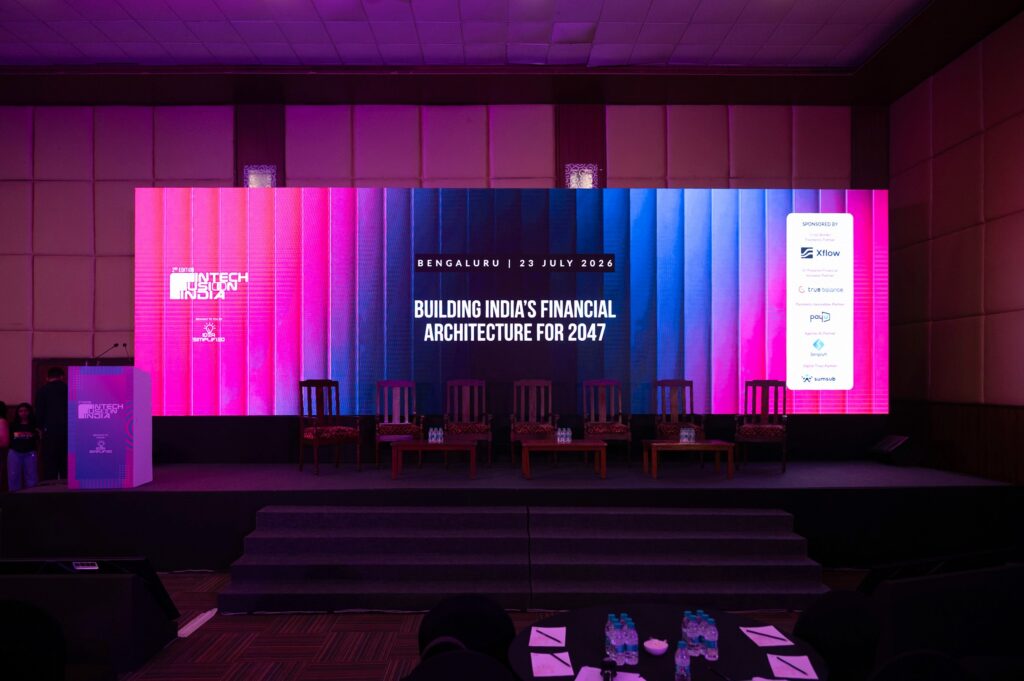
The Fintech Fusion India 2026 – Bengaluru Leadership Forum focused on scaling India’s digital backbone toward its 2047 centenary goals by shifting from foundational digital public infrastructure (DPI) to a sophisticated secondary layer powered by enterprise-grade agentic AI and programmable trust frameworks. Key highlights included revolutionary supply chain tokenisation via “Finternet” systems to unlock credit for lower-tier MSME vendors, a push toward demand-led cluster financing models, and pioneering next-generation autonomous agent-led protocols. Industry leaders emphasized that the evolution of local Global Capability Centres (GCCs) into high-value product innovation labs will ultimately position India as a premier net exporter of global financial architecture and intellectual property.
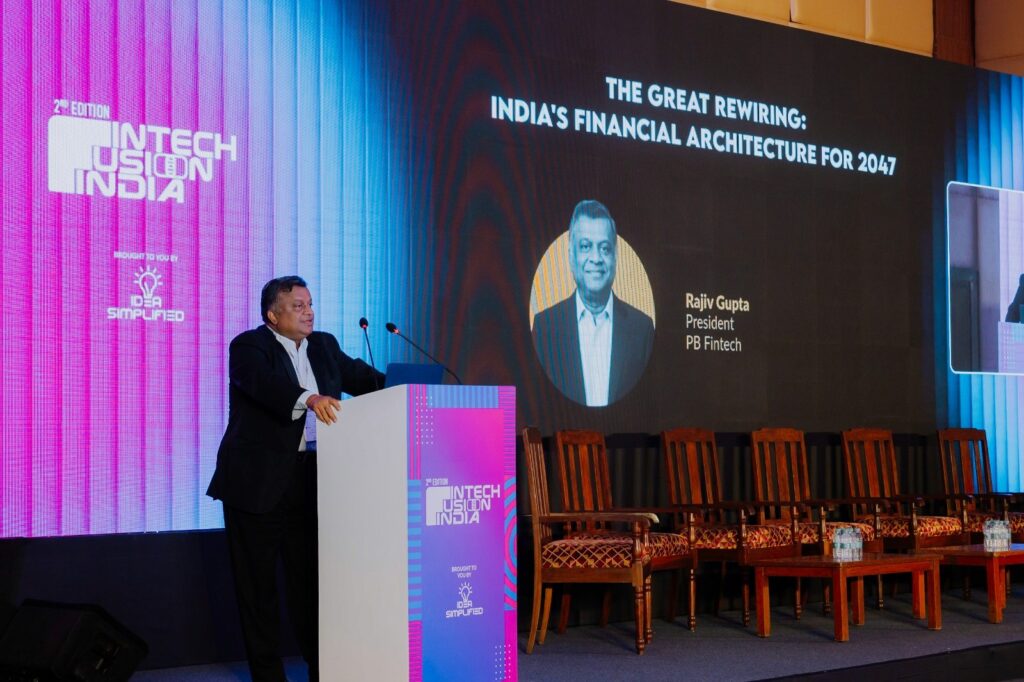
At the Fintech Fusion India 2026 Summit in Bengaluru, Rajiv Gupta, President of PB Fintech, delivered a keynote titled “The Great Rewiring: India’s Financial Architecture for 2047”, outlining a vision to transform India from a technology consumer into a global exporter of financial architecture. Moving beyond simple digitisation, Gupta introduced four foundational pillars—Programmable Trust, Intelligent Infrastructure, Invisible Finance, and Outcome-Driven Inclusion—to build a completely reimagined financial ecosystem.
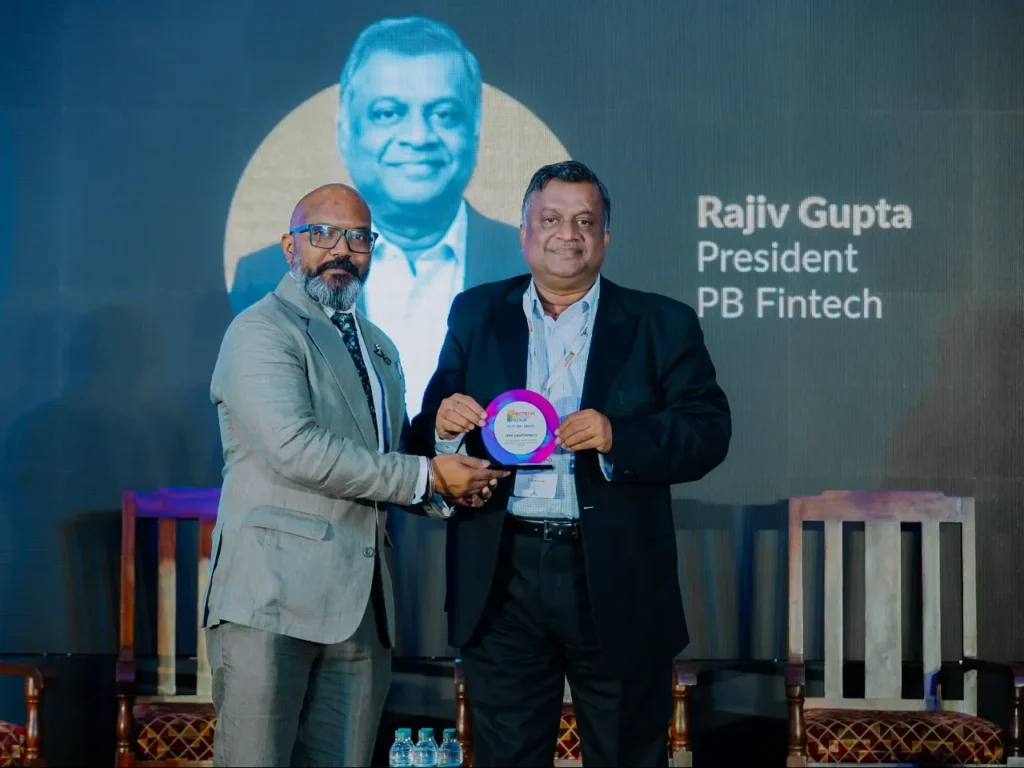
His address stressed the critical macroeconomic targets needed to achieve a developed India (Viksit Bharat) by its centenary year, including closing the financial literacy gap, activating dormant bank accounts for investments, and creating robust retirement frameworks to support an estimated 50 crore senior citizens by 2047.

The Fintech Fusion India 2026 – Bengaluru Leadership Forum established actionable strategies for India’s 2047 centenary goals by transitioning from foundational digital public infrastructure (DPI) to a sophisticated ecosystem driven by enterprise-grade agentic AI and programmable trust. Key takeaways centered on unleashing liquidity for deep-tier MSMEs through supply chain tokenisation via “Finternet” systems, pioneering autonomous agent-led payment protocols, and adopting demand-led cluster financing. Ultimately, industry leaders underscored that evolving local Global Capability Centres (GCCs) into high-value innovation hubs will solidify India’s position as a premier global net exporter of financial architecture and core intellectual property.
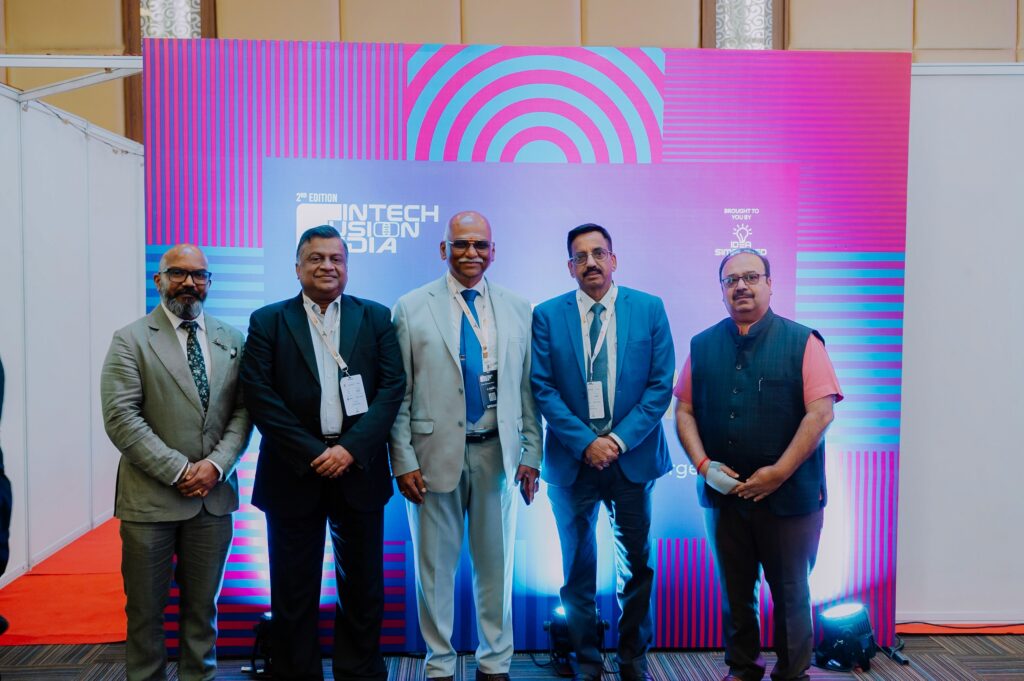
the Fintech Fusion India 2026 – Bengaluru Leadership Forum on 23 July 2026 at The Lalit Ashok, Bengaluru, former RBI Deputy Governor Shri R. Gandhi delivered a keynote address urging a structural overhaul in MSME financing to support India’s Financial Architecture for 2047. He advocated for shifting from traditional supply-side underwriting to a demand-led cluster development model, emphasizing that integrating Digital Public Infrastructure (DPI) with cluster frameworks is essential to bridging the MSME credit gap at scale. The session concluded with the launch of the India Cluster Acceleration Mission, a concrete step aimed at leveraging programmatic trust and digital financial rails to unlock formal, data-driven credit for small enterprises.
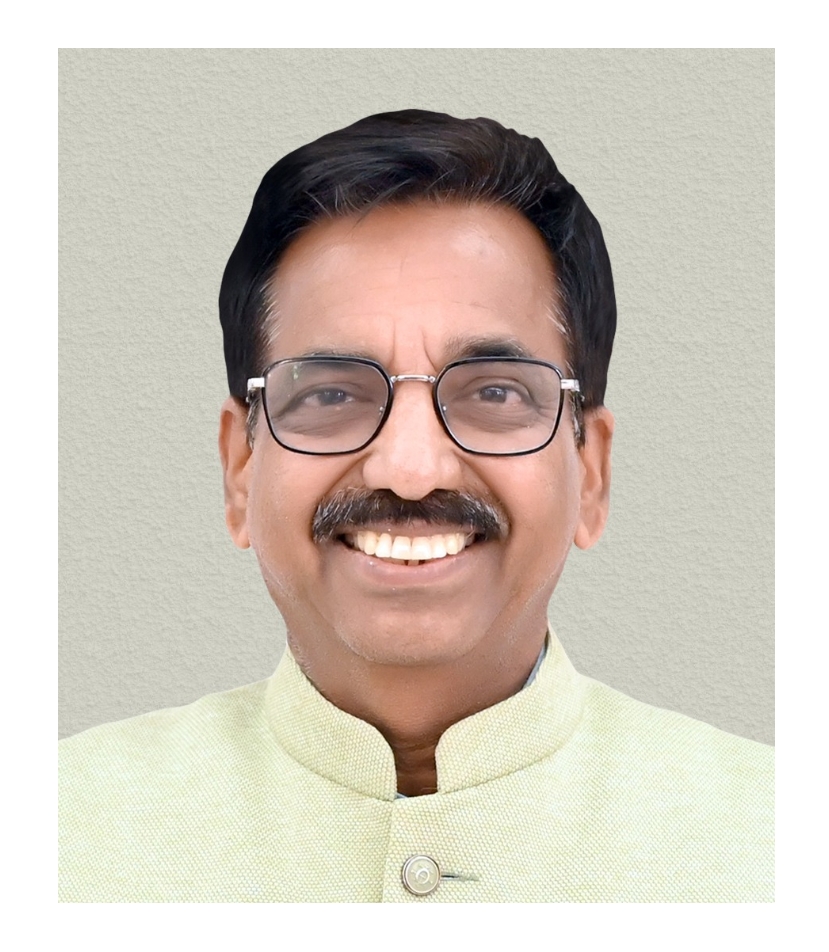
Shri Kamlesh Chandra Varshney’s address at the Fintech Fusion India 2026 – Bengaluru Leadership Forum highlighted that financing India’s path to a $30 trillion economy by 2047 requires a resilient, high-trust financial architecture built on advanced technology, proactive regulation, and investor awareness. He emphasized that SEBI is actively leveraging AI-powered surveillance to detect market manipulation in real time, combatting unauthorized “finfluencers,” and deploying verification tools to protect retail investors. Ultimately, the session underscored that deep capital markets must seamlessly integrate with fintech innovations like tokenization to safely scale up liquidity, ensure robust capital formation, and shield the expanding financial ecosystem from digital fraud.
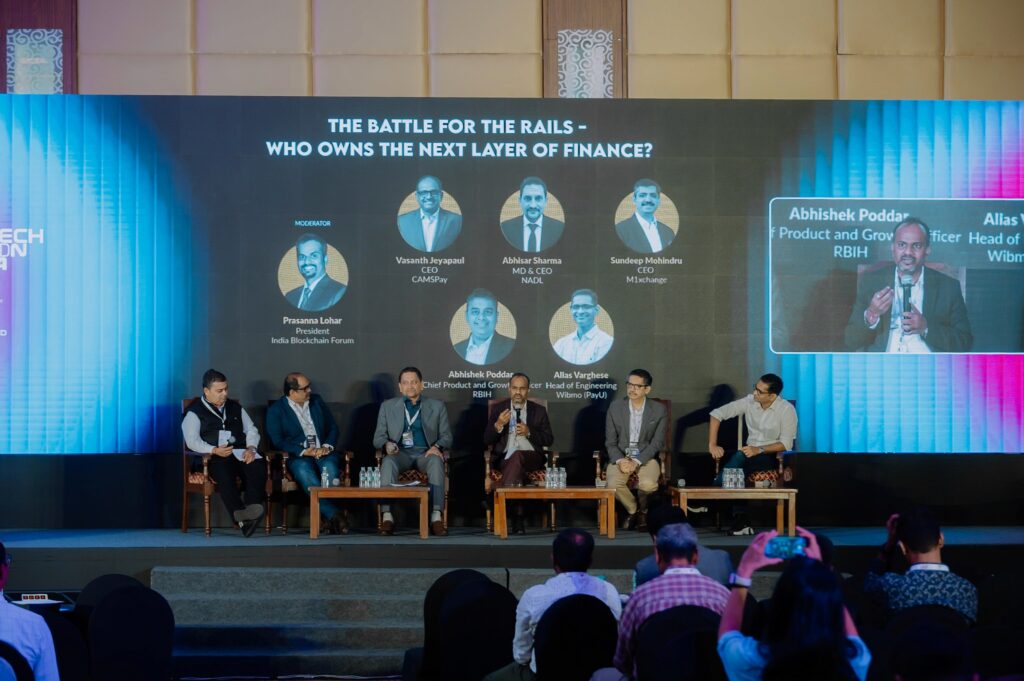
At the Fintech Fusion India 2026 leadership forum in Bengaluru, the panel titled “India Stack: The Battle for the Rails – Who Owns the Next Layer of Finance?” outlined a critical transition in the nation’s financial architecture. Moderated by Prasanna Lohar, the discussion highlighted that India has successfully mastered the rails of digital identity and seamless data transit. However, as the ecosystem charges toward 2047, the strategic battleground is moving away from basic data piping and toward governing execution intelligence, autonomous AI decisioning, and cryptographic trust. Leaders from CAMSPay, NADL, M1xchange, and the Reserve Bank Innovation Hub emphasized that the future winners of Indian finance will be the entities that own the cryptographic validator engines capable of safely policing machine-speed, automated financial products.
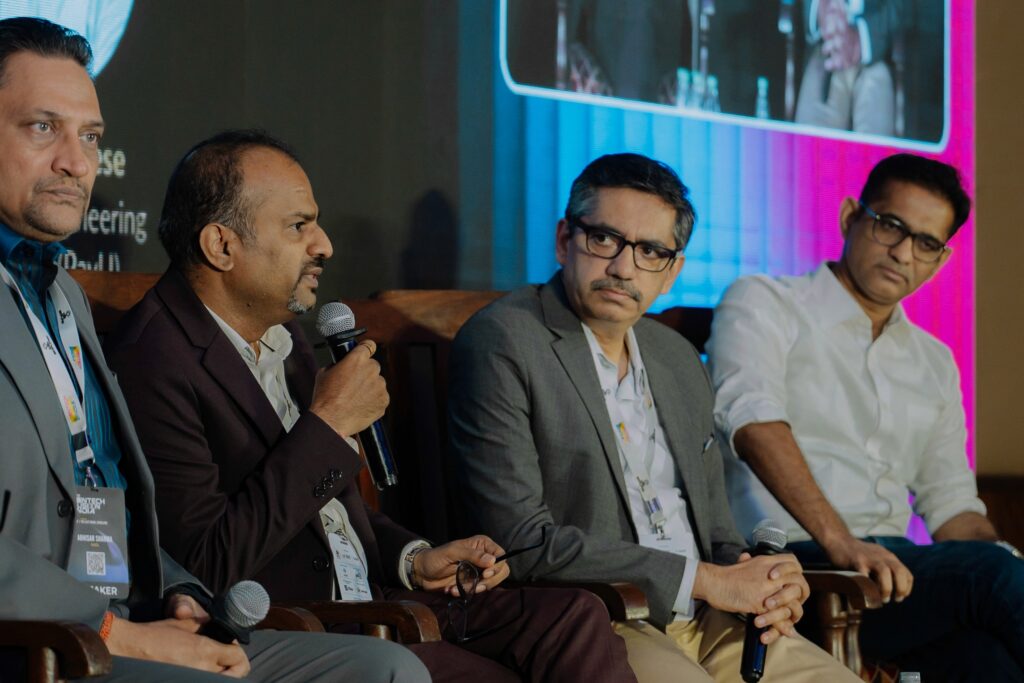
To support this shift toward automated finance through systems like the Unified Lending Interface (ULI) and the Account Aggregator network, the panel stressed the urgent need for “Policy-as-Code” and robust sovereign custody. While tokenising MSME debt and integrating deep data points vastly expand credit access, they drastically accelerate the velocity of systemic risk and potential digital contagion. Consequently, the speakers agreed that the industry must aggressively adopt Trusted Execution Environments (TEEs) and decentralized trust architectures to independently audit AI logic before transactions interact with core banking rails. Safeguarding settlement finality and ensuring verifiable data compliance will remain the absolute prerequisites for maintaining consumer trust and systemic stability in India’s next-generation financial layer.
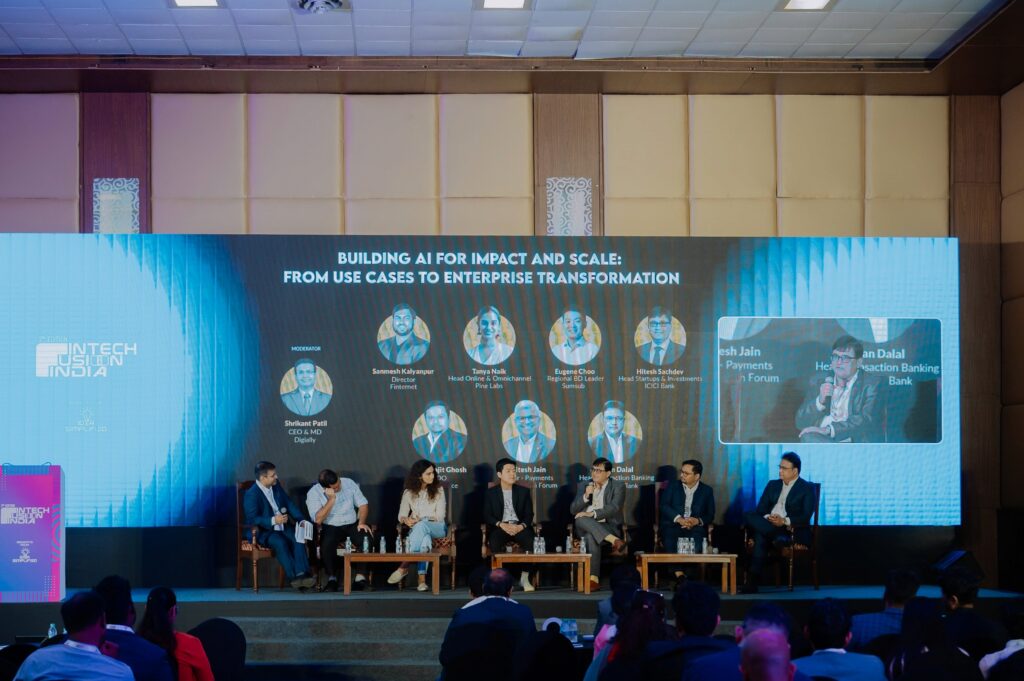
At the Fintech Fusion India 2026 – Bengaluru Leadership Forum, the session “Building AI for Impact and Scale: From Use Cases to Enterprise Transformation” underscored that moving AI from isolated pilots to enterprise-wide integration requires a fundamental overhaul of legacy financial architecture rather than a simple chase for immediate ROI. Moderated by Shrikant Patil (CEO & MD, Digially), the panel—featuring leaders from Finternet, Pine Labs, Sumsub, India Fintech Forum, ICICI Bank, and True Balance—framed scalable AI as the foundational backbone necessary to support India’s soaring transaction volumes under the “Building India’s Financial Architecture for 2047” vision.
Industry pioneers highlighted how AI is actively driving hyper-personalization at retail checkouts and enabling friction-free, real-time fraud mitigation during onboarding. However, they also cautioned that achieving true enterprise transformation hinges on overcoming the rigidities of traditional core banking systems and navigating strict data sovereignty laws. Ultimately, the session concluded that future-proofing India’s financial ecosystem requires seamless institutional collaboration, agile API sandboxes, and unified infrastructure to safely democratize financial access at an unprecedented national scale.
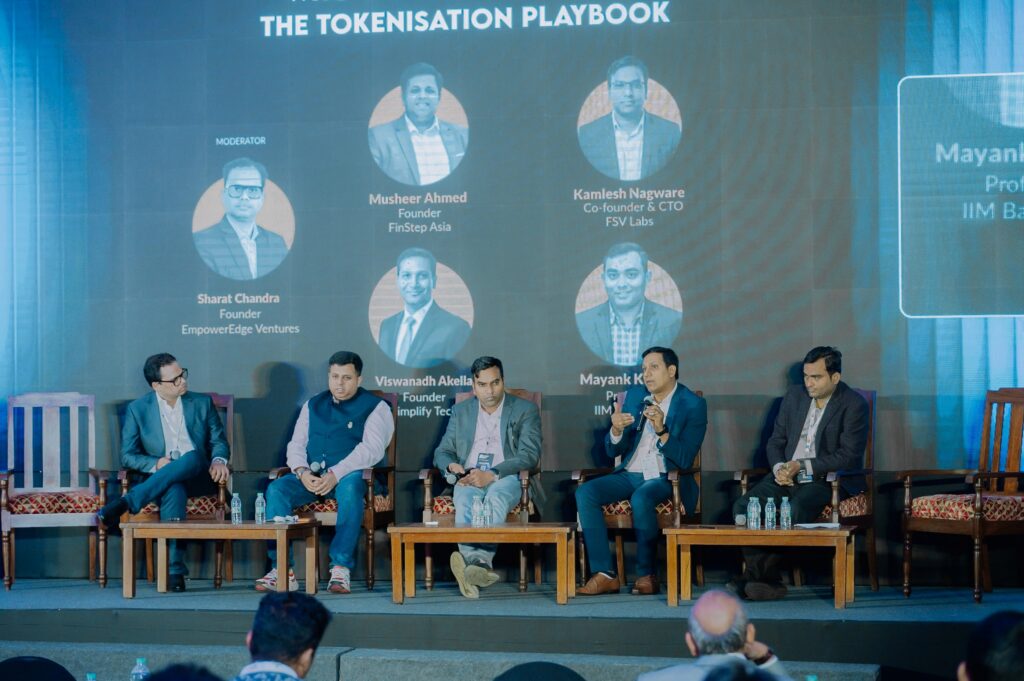
At the Fintech Fusion India 2026 – Bengaluru Leadership Forum held at The Lalit Ashok, Bengaluru on 23 July 2026, industry experts gathered for a panel session titled “Who Owns Everything? The Tokenisation Playbook”. Moderated by Sharat Chandra of EmpowerEdge Ventures, the discussion featured insights from Musheer Ahmed (Finstep Asia), Kamlesh Nagware (FSV Labs), Viswa Akella (Simplify), and Professor Mayank Kumar (IIM Bengaluru). Centred around the forum’s core theme, “Building India’s Financial Architecture for 2047,” the panelists explored how tokenisation is transitioning from concept to reality. They emphasized a fundamental structural shift from traditional asset ownership to programmable ownership, highlighting that navigating regulatory frameworks and technical custody infrastructure are not roadblocks, but rather the foundational building blocks required to securely unlock next-generation financial markets, digital trust, and new real-world asset classes.
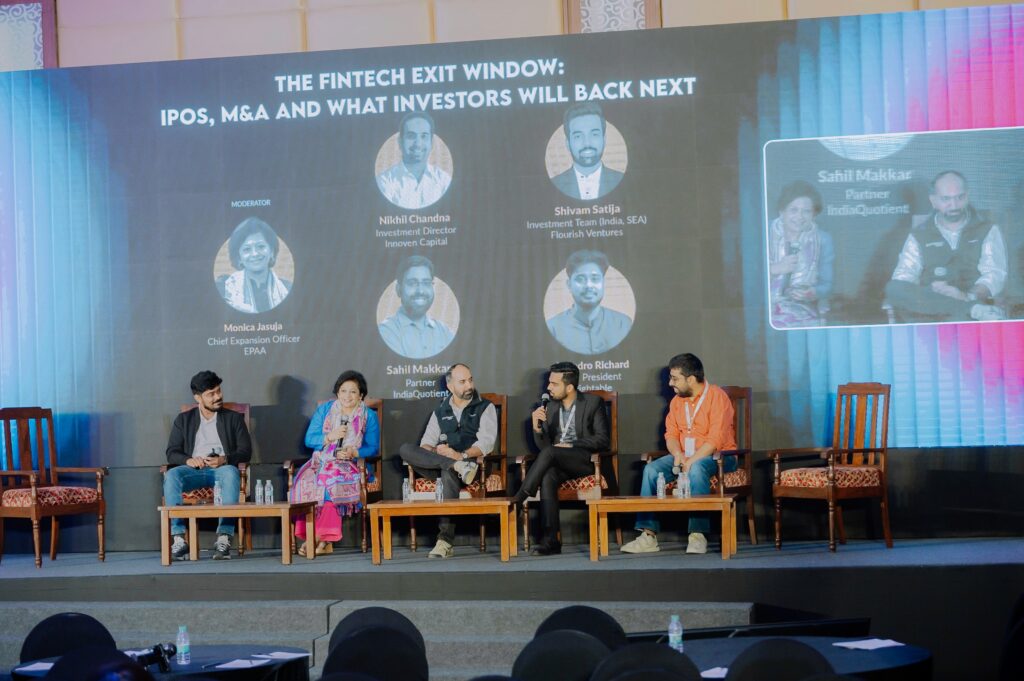
At the Fintech Fusion India 2026 – Bengaluru Leadership Forum, industry leaders highlighted that the Indian fintech landscape has shifted from hyper-growth at all costs to strict valuation discipline, predictable EBITDA, and public-market readiness. As the era of inflated private valuations resets, successful exits are increasingly driven by robust domestic IPOs and strategic M&As focused on acquiring deep B2B financial infrastructure and regulated capabilities rather than just raw consumer reach. Looking forward, investors are actively backing durable fintech models engineered for longevity, complex regulatory compliance, and high-moat AI applications that solve core underwriting and fraud challenges.
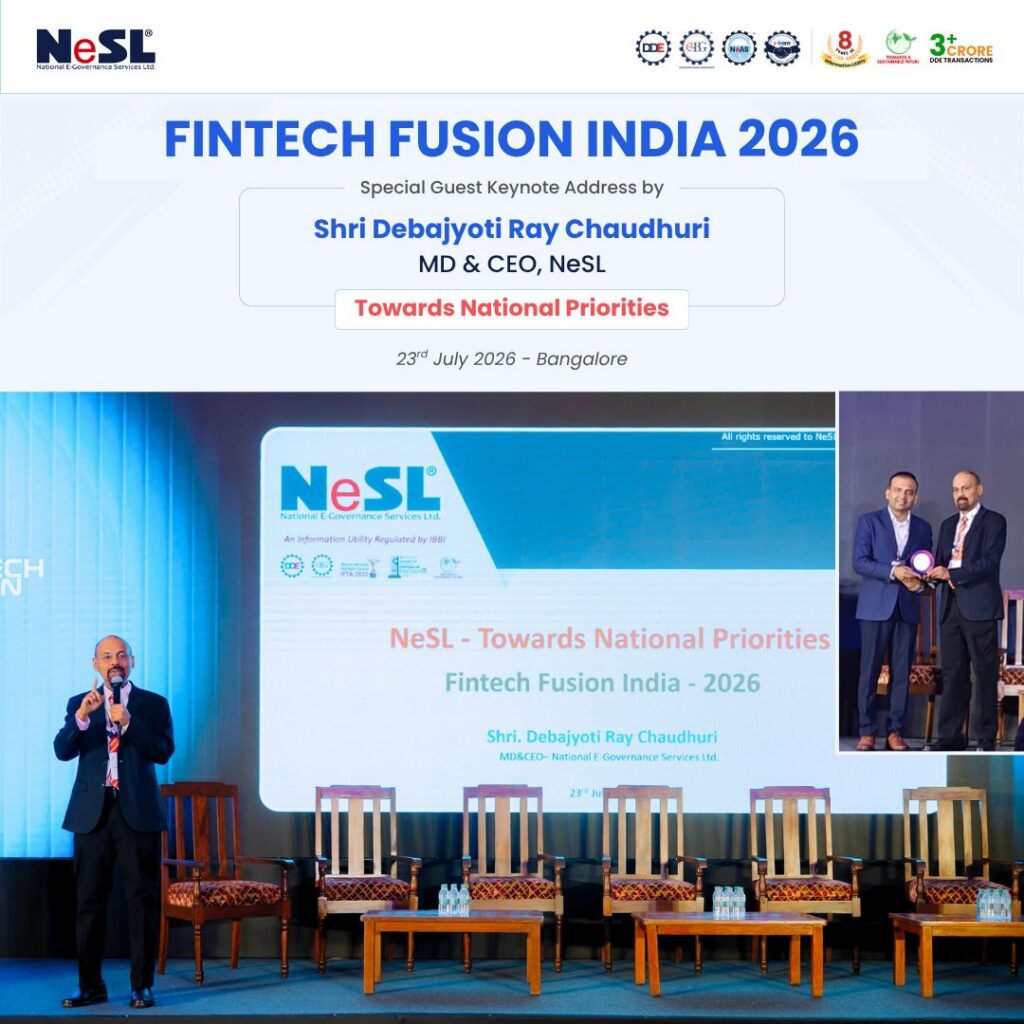
Shri Debajyoti Ray Chaudhuri, MD & CEO of National E-Governance Services Ltd (NeSL), delivered a special guest keynote address titled “Towards National Priorities” at the Fintech Fusion India 2026 summit held at the Lalit Ashok in Bengaluru on 23 July 2026. Speaking to an audience of over 700 industry leaders, his session highlighted the critical role of trusted digital infrastructure in strengthening India’s financial ecosystem, driving transparency, and advancing financial inclusion for MSMEs and underserved communities. Additionally, he participated in vital leadership dialogues exploring the evolution of the India Stack and its future regulatory and operational impacts on banks and fintechs as part of the summit’s larger mission to build India’s financial architecture for 2047.